5 Packaging Mistakes That Are Costing Your Food Business Money
8 min read
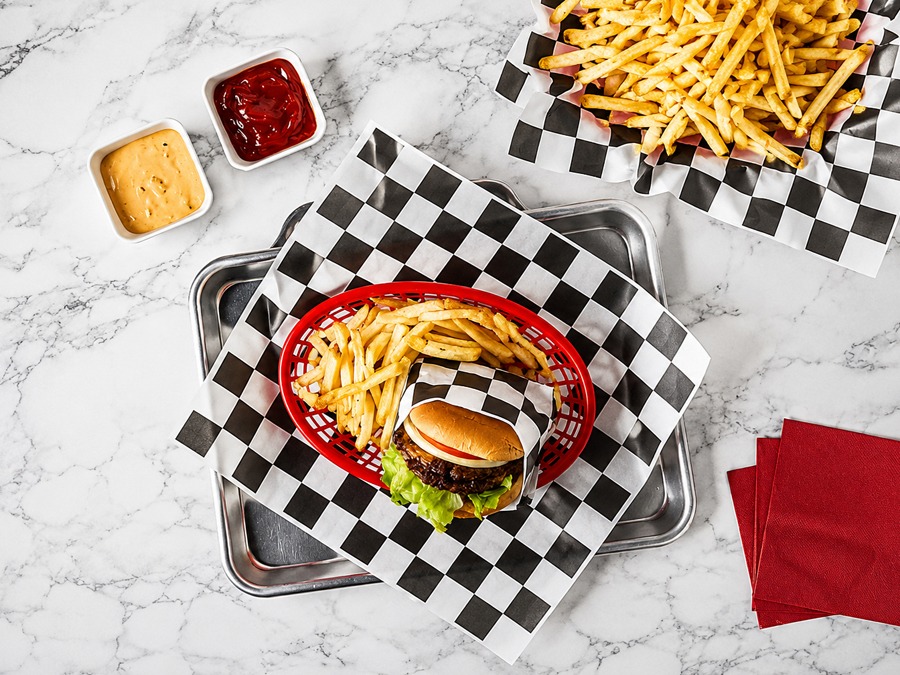
A burger that’s crisp and hot when it leaves the kitchen can arrive soggy, greasy, and fall apart by the time it reaches the customer’s hands. Often, the food itself isn’t the problem. The wrapping paper is.
Food wrapping paper is one of those details that rarely gets much attention until something goes wrong: a grease stain spreading through a takeaway bag, a sandwich sweating inside its wrap, or a pastry sticking to the paper it was supposed to slide out of easily. For businesses ordering wrapping paper in bulk, getting this choice right affects food quality, customer experience, and how often complaints land in the inbox.
This article looks at the main types of food wrapping paper, what makes them suited to different products, and the practical factors worth considering before placing a bulk order.
Wrapping paper sits in direct contact with food for the entire time it’s being transported or held before eating. That means it needs to do several jobs at once: hold in heat where needed, resist grease and moisture, avoid sticking to the food, and hold its shape without tearing.
Get the wrong paper for the job, and the issues show up quickly. A thin paper used for a greasy burger lets oil soak through within minutes. A non-insulating paper used for hot sandwiches lets steam build up, leaving the bread soft and damp by the time it’s eaten. A paper without a non-stick coating used for baked goods can tear apart when someone tries to unwrap a pastry.
None of these issues are about the food being prepared poorly. They come down to the paper not matching the product.
Wax Paper for Cold Items
Wax-coated paper works well for sandwiches, deli meats, and other cold items that need a moisture and grease barrier without heat resistance. It keeps food from drying out and stops it sticking to the wrap, making it a practical choice for cold sandwich counters and grab-and-go items.
Parchment Paper for Hot, Baked Items
For anything that’s been baked, grilled, or comes straight off a hot surface, parchment paper is usually the better fit. It’s heat-resistant and non-stick, which matters for pastries, hot pretzels, paninis, and anything that needs to come off the paper cleanly without tearing or leaving residue behind.
Greaseproof Paper for Burgers, Fries, and Fried Food
Burgers, fries, fried chicken, and pizza slices all release oil, and greaseproof paper is built specifically to handle that. A good greaseproof paper resists penetration long enough that the oil doesn’t soak through to bags, trays, or hands while still being breathable enough that the food doesn’t go soggy from trapped steam.
Kraft Paper for a Natural Look
Kraft paper is a common choice for businesses going for a rustic or natural presentation. It’s strong, biodegradable, and works well as a liner for baskets or as an overwrap for sandwiches. It doesn’t have the same grease resistance as specialised greaseproof paper, so it’s often used in combination with another layer for oilier foods.
Heat-Insulating Paper for Hot Sandwiches and Wraps
For hot sandwiches, burgers, and wraps that need to stay warm during delivery, heat-insulating paper helps retain temperature without trapping excess steam. The goal is for the last bite to be close to as warm as the first, without the bread turning soft from condensation.
Once the right paper type has been identified, the next step is figuring out what to look for in a supplier. A few factors come up repeatedly when businesses compare options.
Material Quality and Certifications
Food-contact paper should be food-grade, and ideally backed by recognised certifications. For businesses serving the public, this isn’t just a formality it affects whether the paper is safe for direct food contact, microwave use, or freezer storage, depending on how it’s used.
Minimum Order Quantities
MOQs vary a lot between suppliers. Some require large minimums that suit established chains, while others work with smaller businesses ordering in the hundreds or low thousands. For a business testing a new design or a smaller operation, finding a supplier with manageable MOQs avoids tying up cash in stock that takes months to use.
Lead Times
Production timelines for custom-printed paper typically run a few weeks. This is worth planning around, particularly if the paper ties into a seasonal menu item, a promotional campaign, or a new product launch with a fixed date. Ordering with enough lead time avoids the scramble of rush production and the higher costs that come with it.
Customisation Options
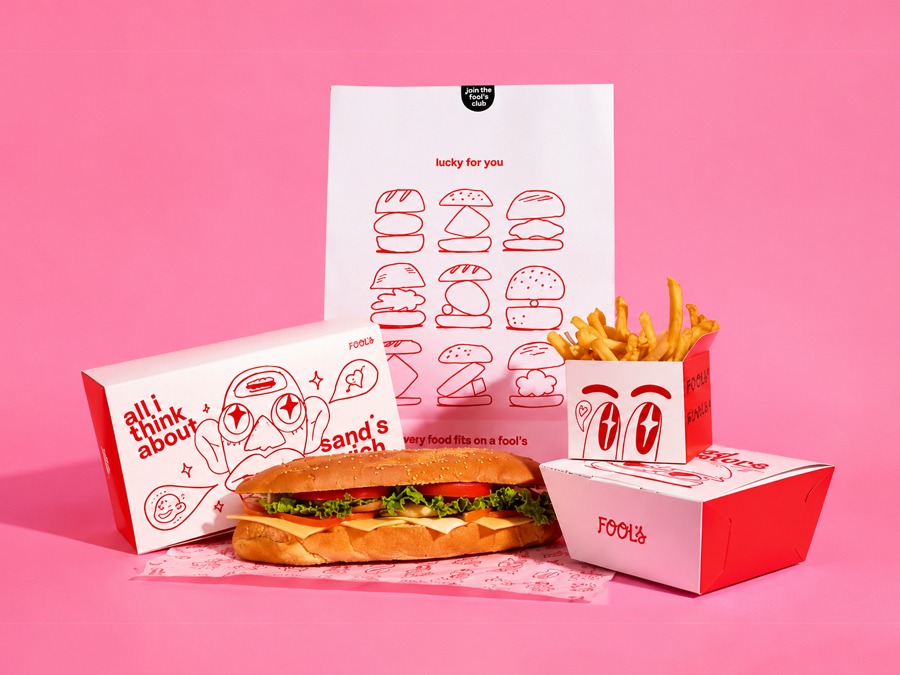
Printed wrapping paper can range from a simple one-colour logo to full-colour designs covering the entire sheet. The right level of customisation depends on the product and the budget a one-colour print on greaseproof paper might be enough for everyday use, while a full-colour design might suit a flagship product or limited-time item. Businesses exploring options for Food Printed Papers often find that even simple branding on the paper itself adds a level of polish that plain paper doesn’t.
Supplier Reliability
As with any packaging order, consistency across batches matters. A supplier that delivers sharp print quality and on-time shipping for a sample order should be able to maintain that across a full production run. Asking about typical turnaround times, how defects are handled, and whether samples are available before a bulk order helps avoid surprises later.
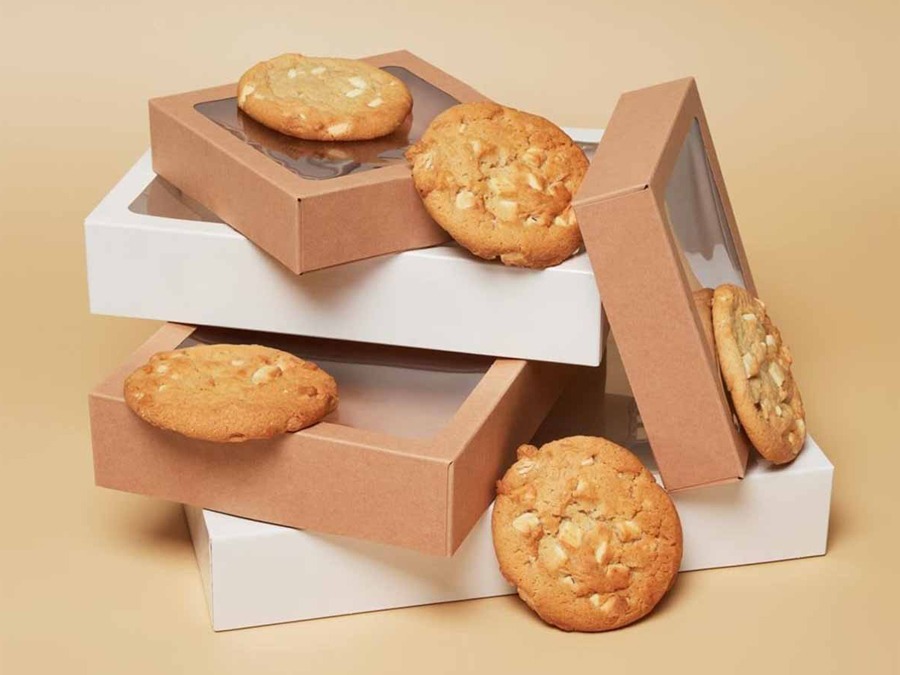
While wrapping paper covers the food itself, most food businesses are also working with boxes, bags, or trays alongside it. Mailer boxes, rigid boxes, custom sleeves, and tuck-end boxes all play a role depending on what’s being served and how it’s delivered. A burger wrapped in the right greaseproof paper still needs a container that won’t crush in transit, and a bakery item on parchment paper still benefits from a box that keeps it from sliding around.
Looking at wrapping paper and packaging together, rather than as separate purchases, often makes it easier to spot where one choice affects the other for example, a heat-insulating wrap paired with a vented box for hot sandwiches, or a grease-resistant liner inside a tuck-end box for fries.
Choosing the right food wrapping paper comes down to matching the paper’s properties to the product, then weighing that against practical factors like MOQs, lead times, customisation, and supplier reliability. A paper that performs well on a sample order should perform the same way at scale, and a supplier that’s upfront about timelines and certifications tends to be easier to work with long-term.
The Food Boxes works with restaurants, bakeries, and food businesses on wrapping paper and packaging across a range of order sizes. For businesses comparing paper types or planning ahead for a new menu item, requesting a custom quote is a straightforward way to see what fits within a given budget and timeline.
What’s the difference between wax paper and parchment paper?
Wax paper has a wax coating that resists moisture and grease, but it isn’t heat-resistant, so it’s better suited to cold items. Parchment paper is heat-resistant and non-stick, making it the better choice for baked or grilled food.
Is greaseproof paper the same as parchment paper?
They’re similar but not identical. Greaseproof paper is designed primarily to resist oil penetration, which makes it well suited to burgers, fries, and fried food. Parchment paper adds heat resistance and a non-stick surface, which matters more for baking.
Can wrapping paper be printed with a logo?
Yes. Printed wrapping paper is available in one-colour, two-colour, or full-colour designs, depending on the printing method and order size. Smaller orders often use digital printing, while larger bulk orders are more cost-effective with offset printing.
How long does it take to get custom-printed food paper?
Production typically takes a few weeks, though this can vary by supplier and order size. It’s worth confirming lead times in advance, particularly for orders tied to a specific launch date or seasonal menu.
Does kraft paper work for greasy food?
Kraft paper on its own doesn’t have the same grease resistance as specialised greaseproof paper. It’s often used as an outer layer for presentation, sometimes combined with a greaseproof liner underneath for oilier items.