
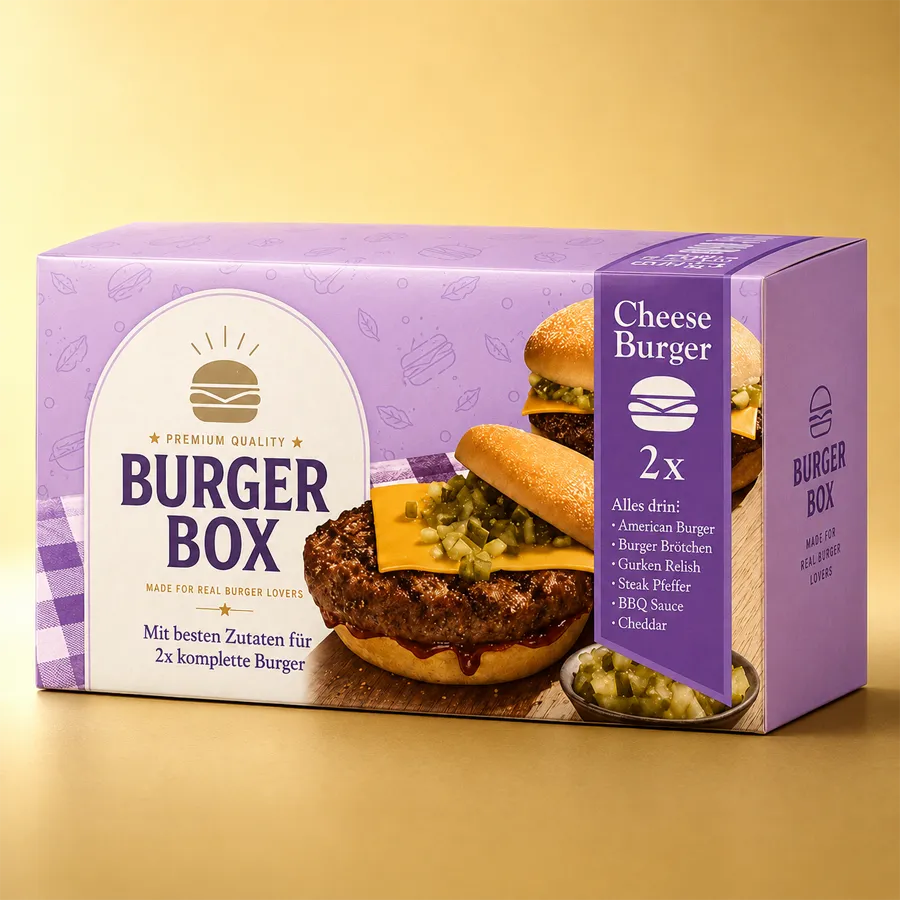
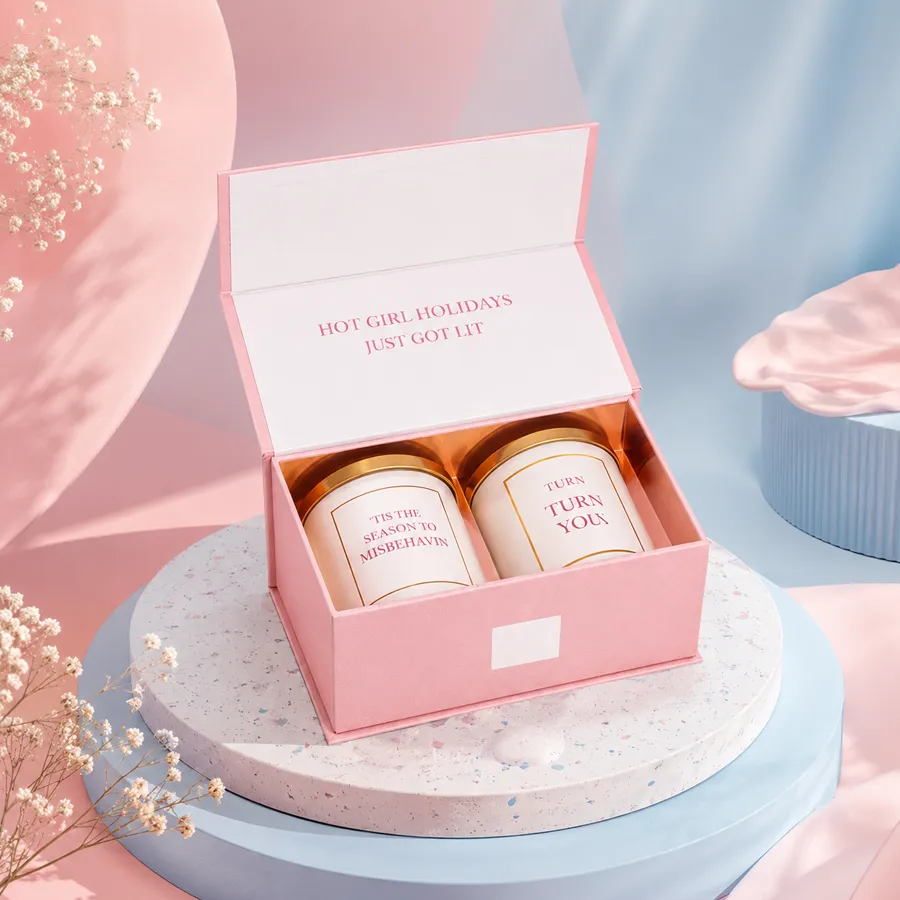
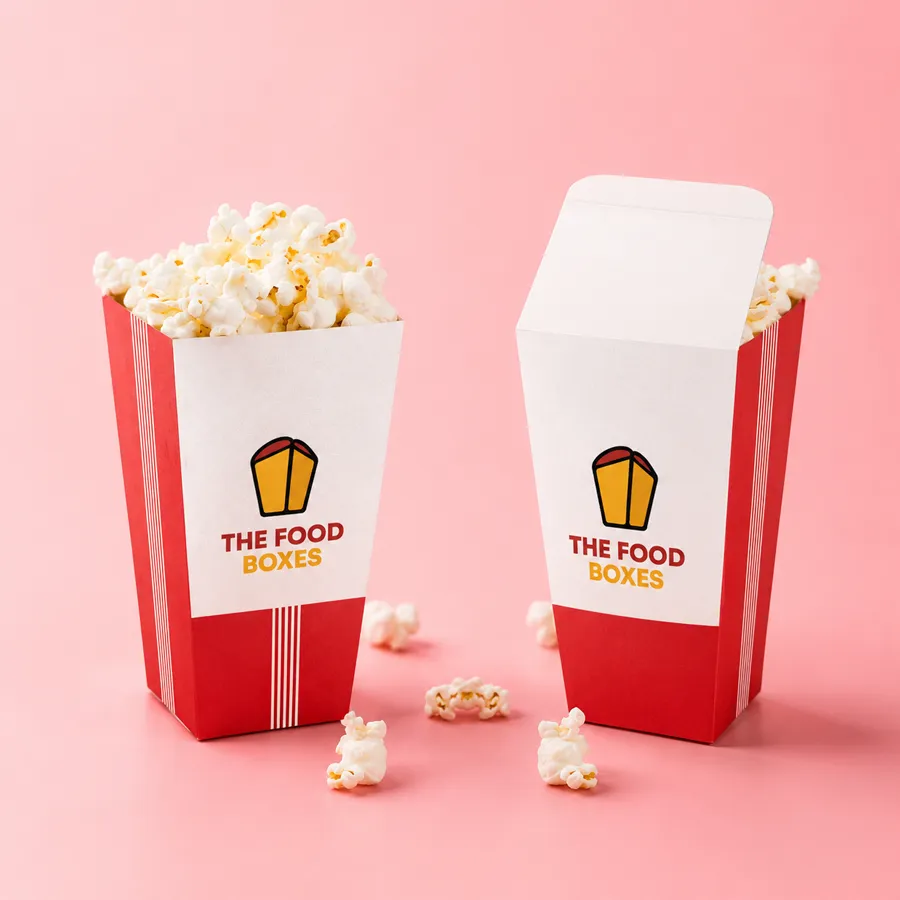
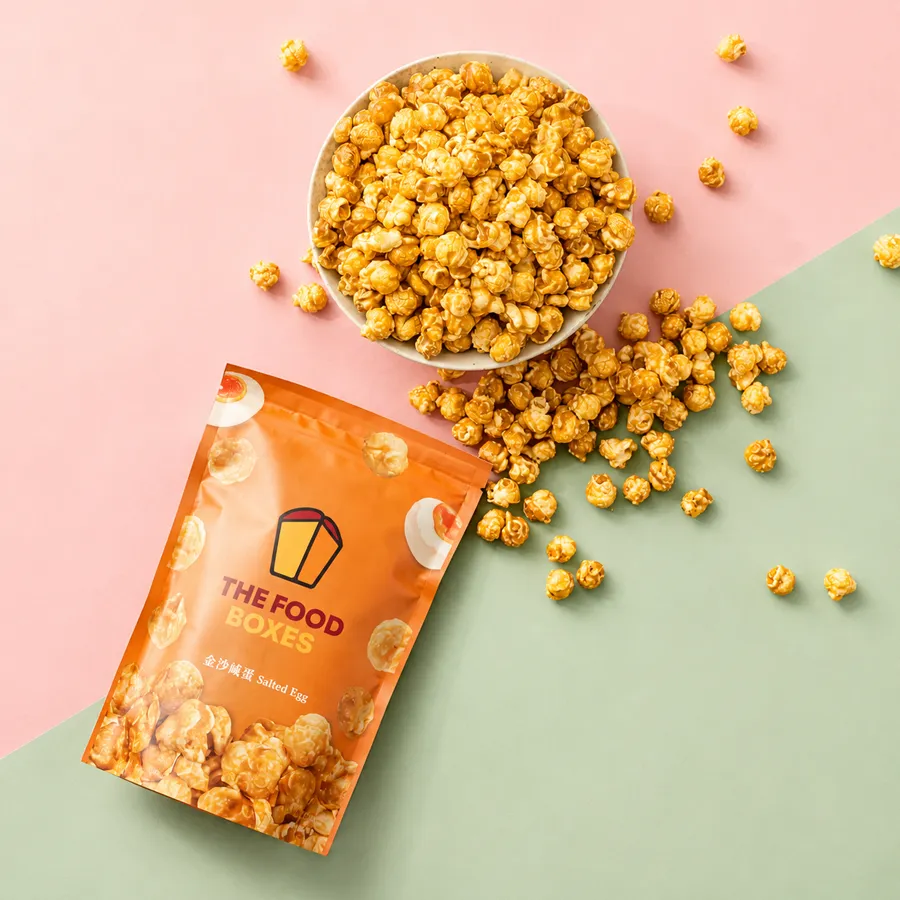
Protect, serve, and present bakery goods, burgers, pizza, snacks, drinks, frozen products, and takeaway meals with custom food packaging. Choose food-safe materials, product-specific sizes, protective structures, secure closures, and branded printing for retail, delivery, catering, and restaurant service.
Description
Custom food packaging protects edible products during storage, display, takeaway, and transportation while helping businesses present a recognizable brand. It can be developed for bakery products, burgers, pizza, snacks, confectionery, frozen foods, beverages, ready meals, dry ingredients, and many other product categories.
Every food item has different packaging requirements. A decorated cake needs structural support and internal clearance, while dry snacks require protection from moisture and air. Takeaway burgers benefit from grease resistance and ventilation, whereas frozen products need materials that retain their strength in cold conditions.
Businesses can explore coordinated solutions from The Food Boxes to develop packaging around their complete menu or retail range.
Generic packaging may be too large, too weak, difficult to close, or unsuitable for the enclosed product. Excessive space allows food to move during handling, while undersized packaging can compress delicate toppings, pastries, or prepared meals.
Product-specific dimensions help keep food organized and reduce unnecessary empty space. The material, coating, ventilation, barrier level, closure, and internal layout can also be selected according to the food’s weight, temperature, grease, moisture, and intended storage period.
Suitable packaging supports both function and presentation. It should protect the food without making filling, sealing, stacking, opening, or disposal unnecessarily difficult.
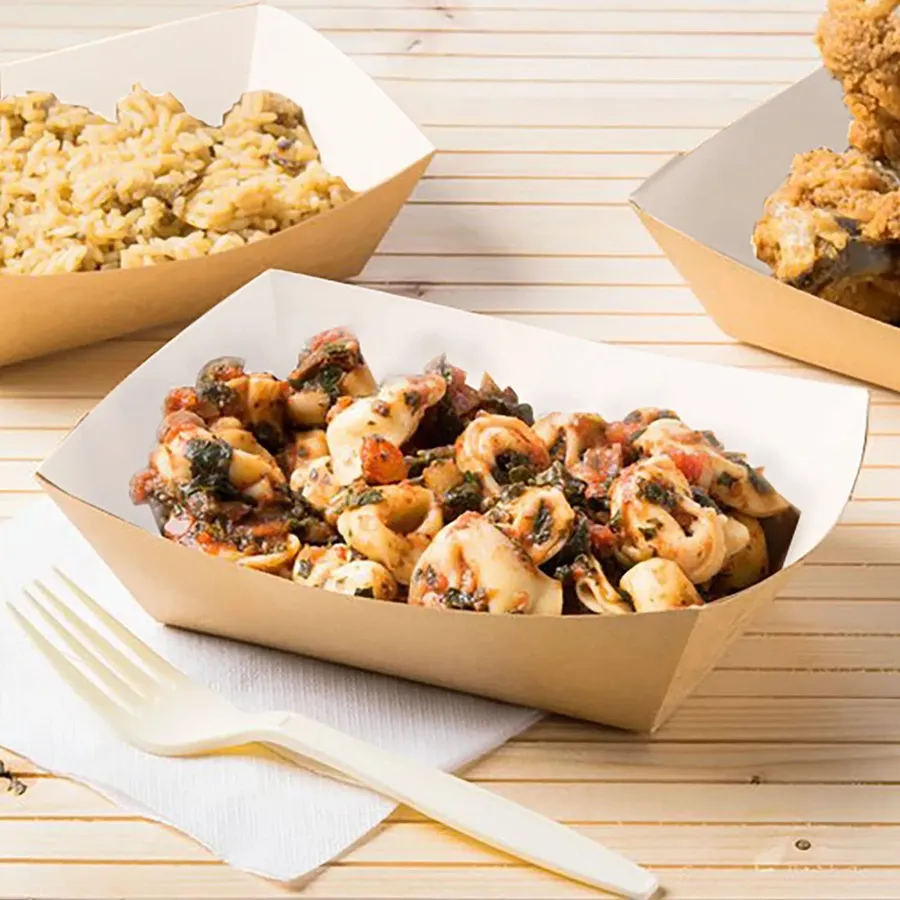
Paperboard is widely used for lightweight boxes, sleeves, bakery cartons, and takeaway containers. It offers a smooth surface for printing and can be folded into many structures. Kraft paperboard provides a natural brown appearance for artisan and casual brands.
Corrugated cardboard offers greater rigidity for pizza, delivery meals, heavy products, and grouped orders. Flexible films and multilayer materials provide barrier protection for snacks, powders, coffee, tea, confectionery, and other sealed products.
The material should be selected according to the intended food application rather than appearance alone. Thickness, strength, temperature, storage duration, and contact conditions must all be considered.
Moisture, oxygen, light, odors, grease, and external contamination can affect food quality. The required protection depends on the product and how long it will remain packaged.
Dry snacks may require sealed moisture barriers to maintain their texture. Coffee and tea need protection against air and odors, while takeaway meals may require grease-resistant surfaces. Frozen products need materials that remain stable in cold environments.
A suitable barrier does not replace proper storage and food-handling practices. Instead, it supports the product throughout its expected packaging and distribution process.
Bakery packaging must protect soft, delicate, and decorated products without damaging their shape. Cakes need sufficient height and strong bases, while cookies and pastries benefit from appropriately fitted cartons and optional inserts.
Businesses can use bakery boxes for cakes, donuts, muffins, cookies, macarons, pastries, and other baked foods. Window panels can display products without opening the package.
Inserts and dividers can organize assorted products and reduce movement. Food paper liners may also protect the carton from crumbs, icing, chocolate, and light grease.
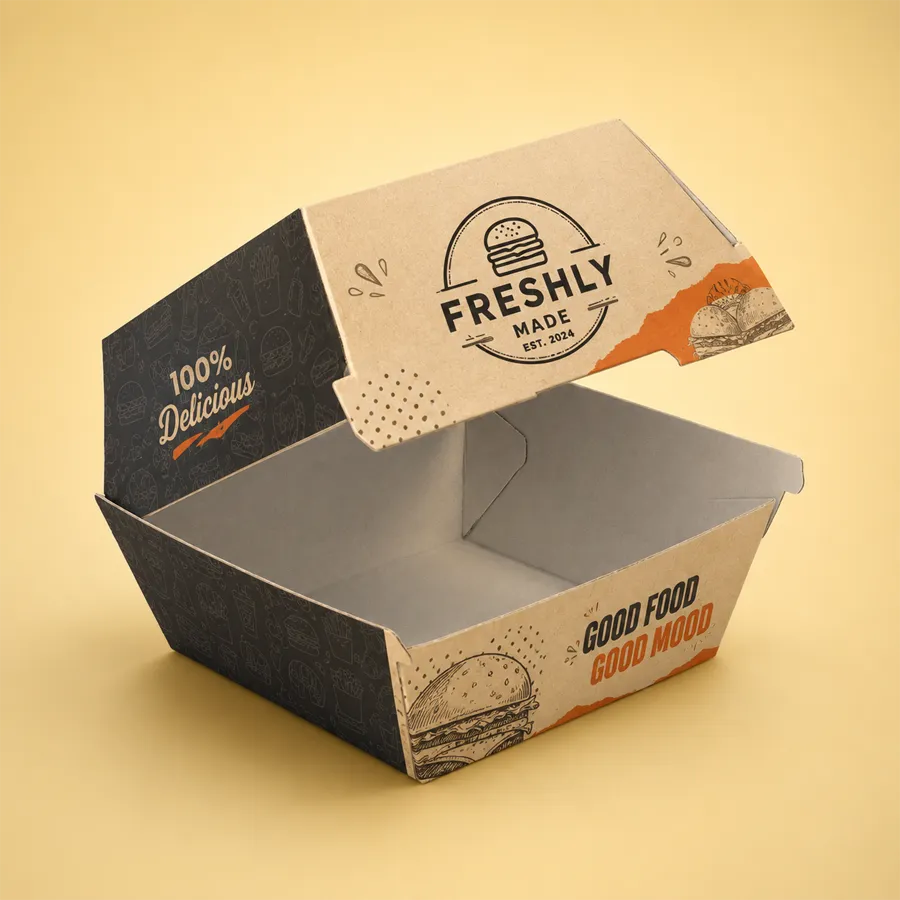
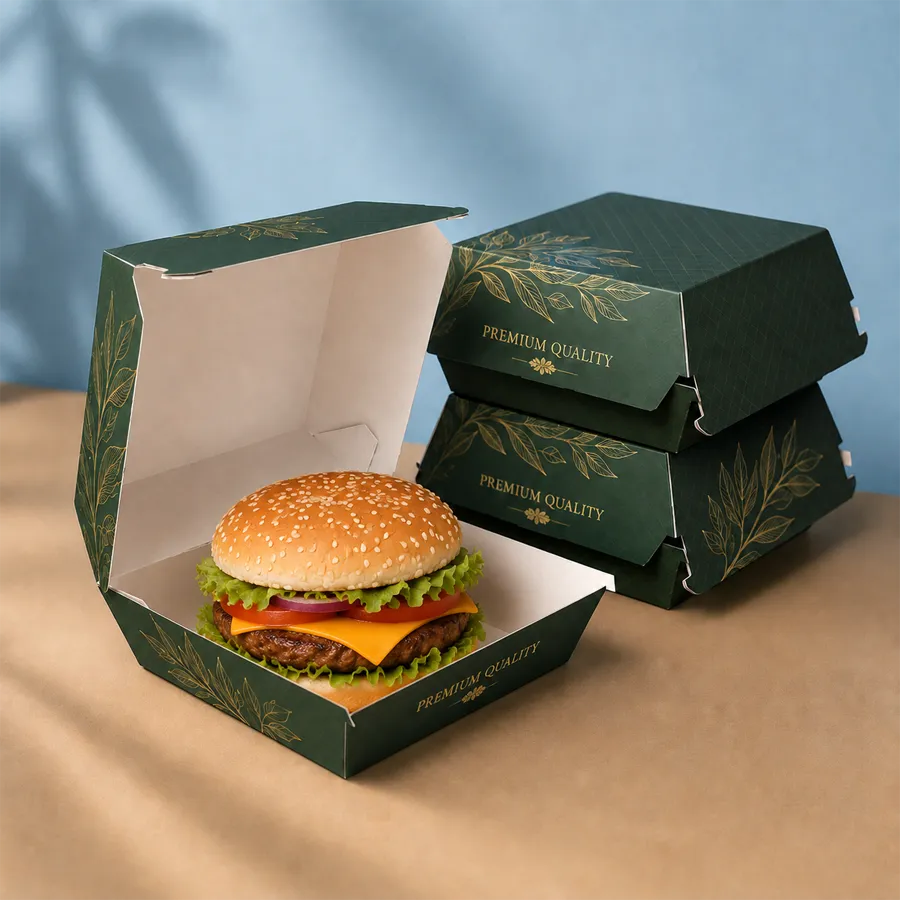
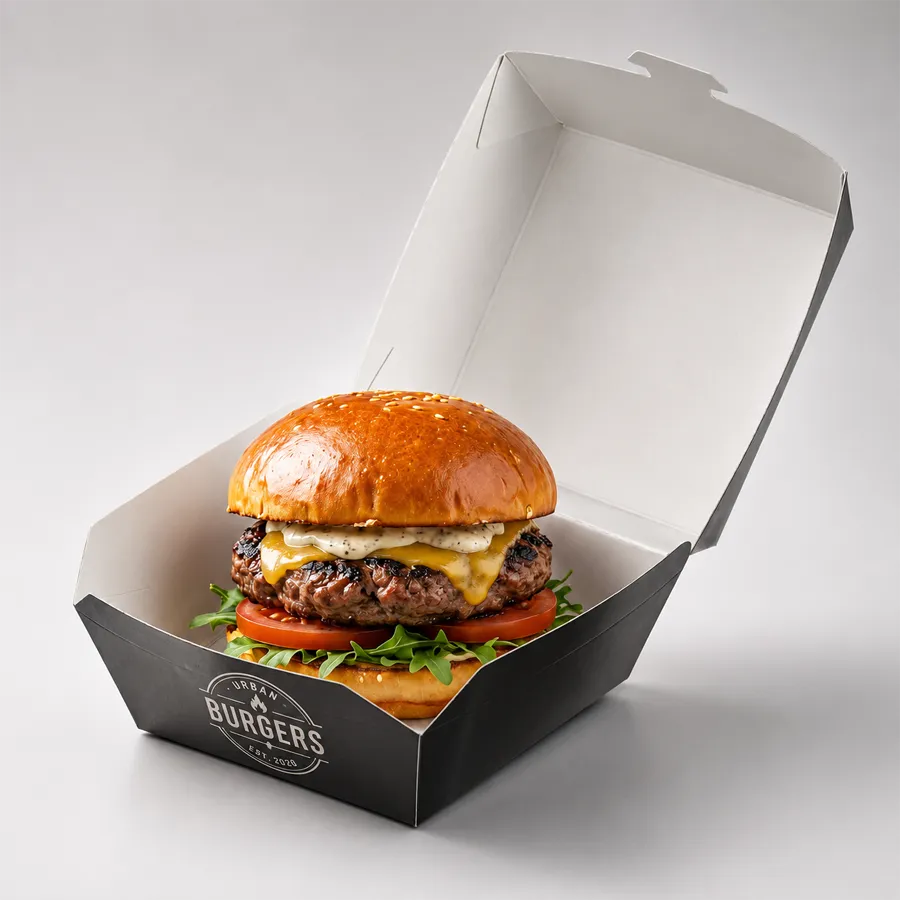
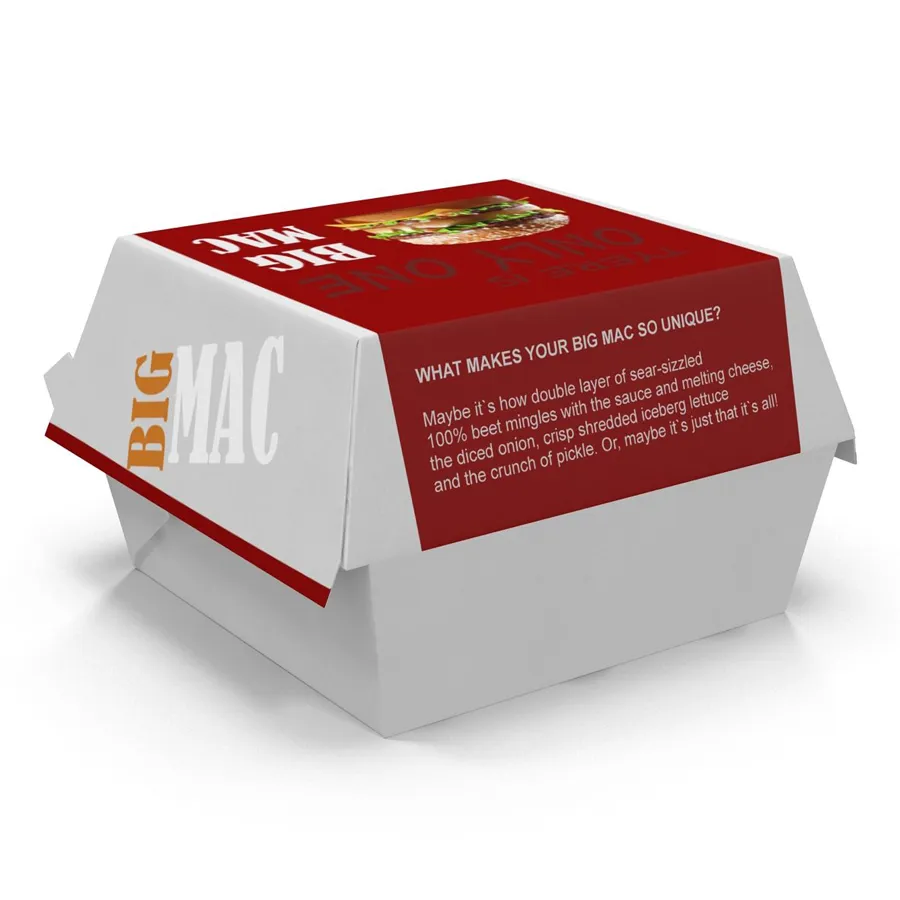
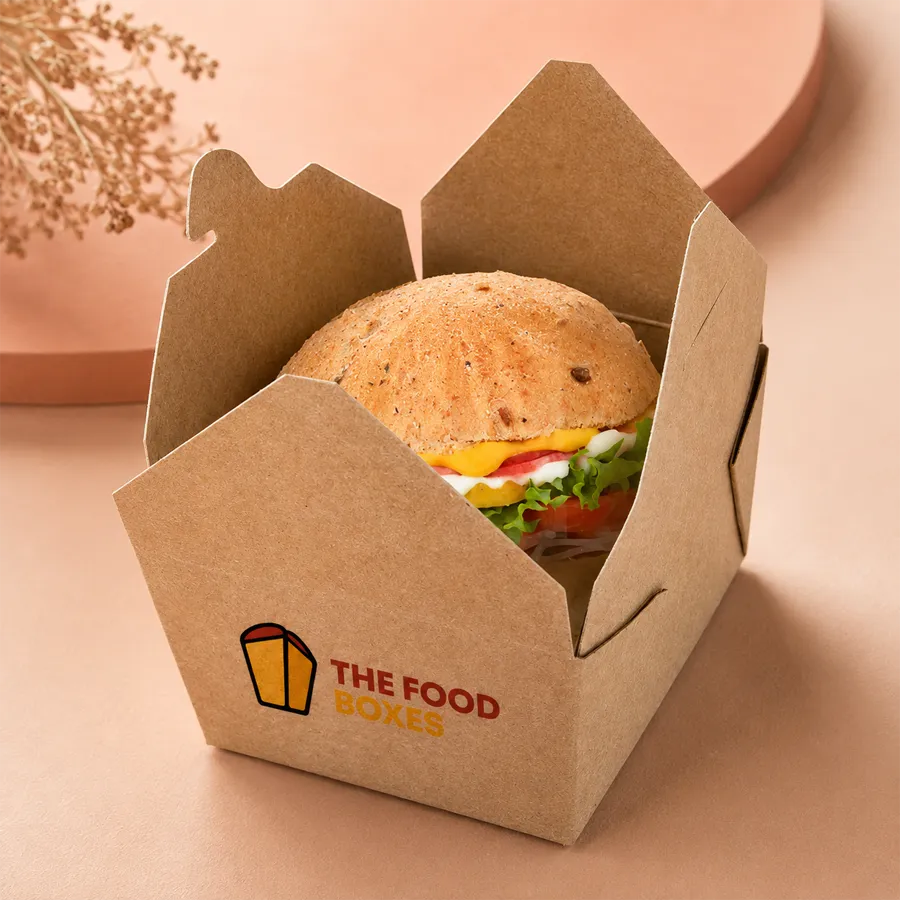
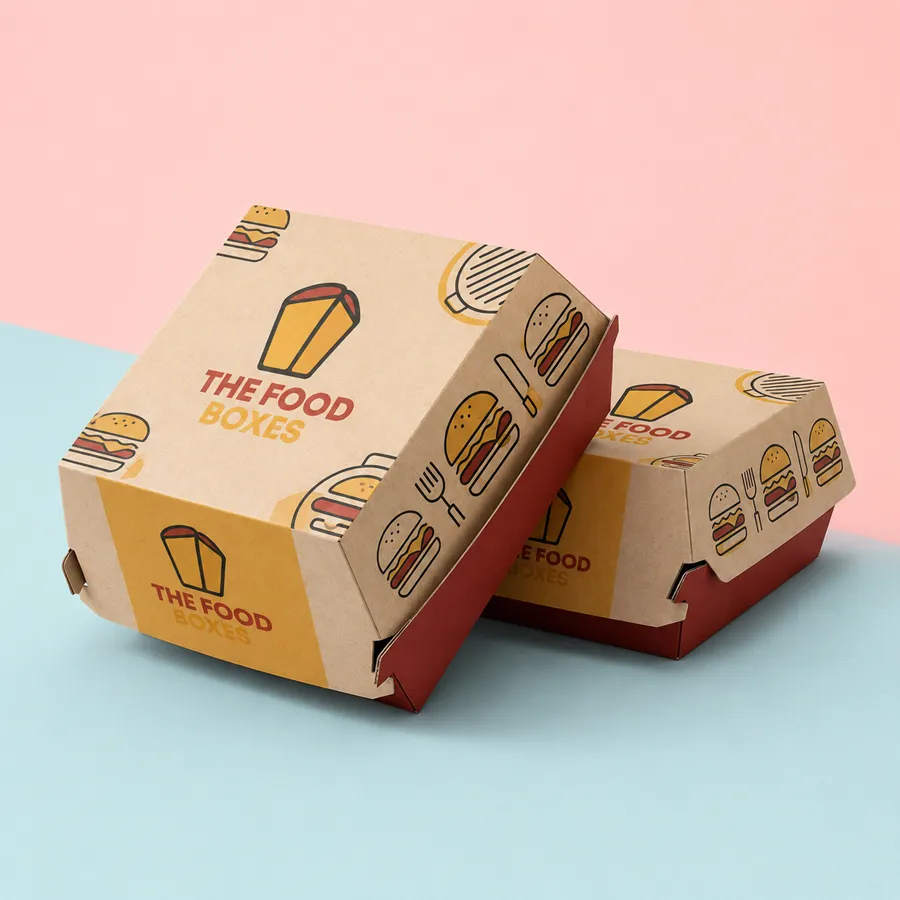
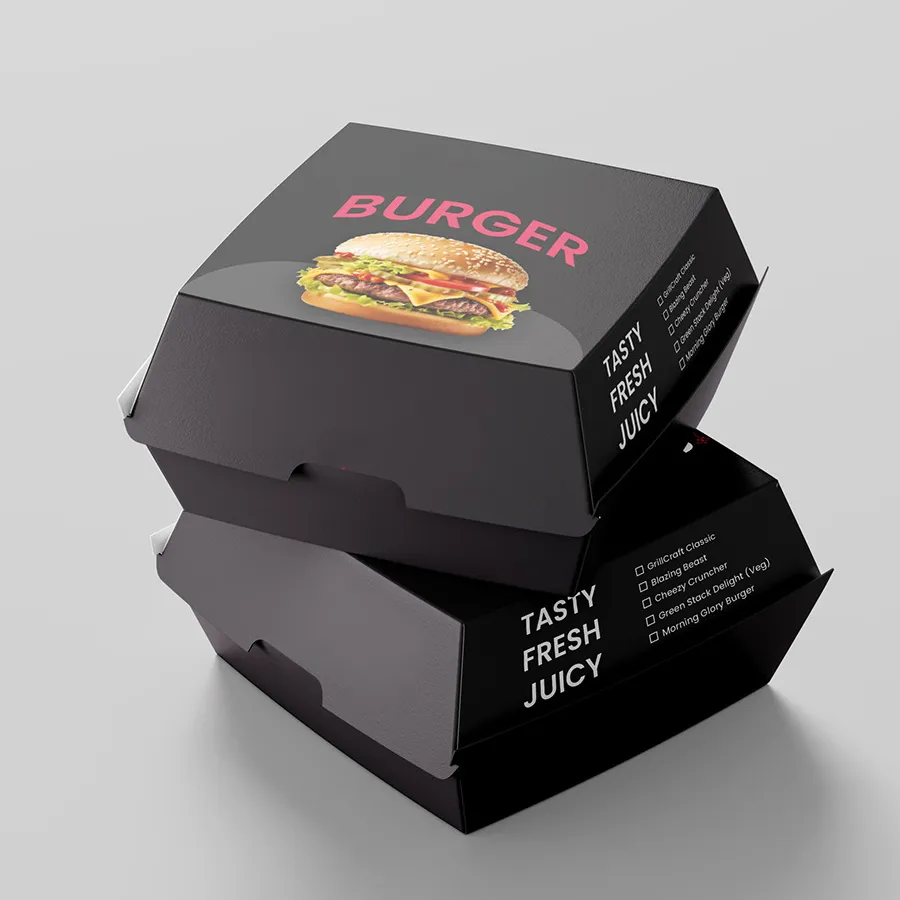
Burger packaging should contain sauces, cheese, toppings, and grease while providing enough internal space to avoid compressing the bun. Ventilation may help manage steam and condensation during takeaway and delivery.
Restaurants can select burger packaging for sliders, standard burgers, double patties, gourmet portions, and meal combinations. Available formats can include boxes, sleeves, wraps, clamshell cartons, and delivery containers.
Fast-food packaging can also include compartments for fries, dips, and side products. Strong closures help keep the package secure while employees and delivery riders handle the order.
Pizza packaging requires a broad, rigid structure capable of supporting the crust and toppings. Corrugated material is commonly used because it provides strength without making the carton excessively heavy.
Purpose-built custom pizza boxes can be created for personal, medium, large, extra-large, square, and rectangular pizzas. Ventilation holes help release some steam, while reinforced corners improve stacking performance.
Boxes can include printed menus, promotional messages, contact information, QR codes, and reheating instructions. Internal liners can provide an additional barrier against grease.
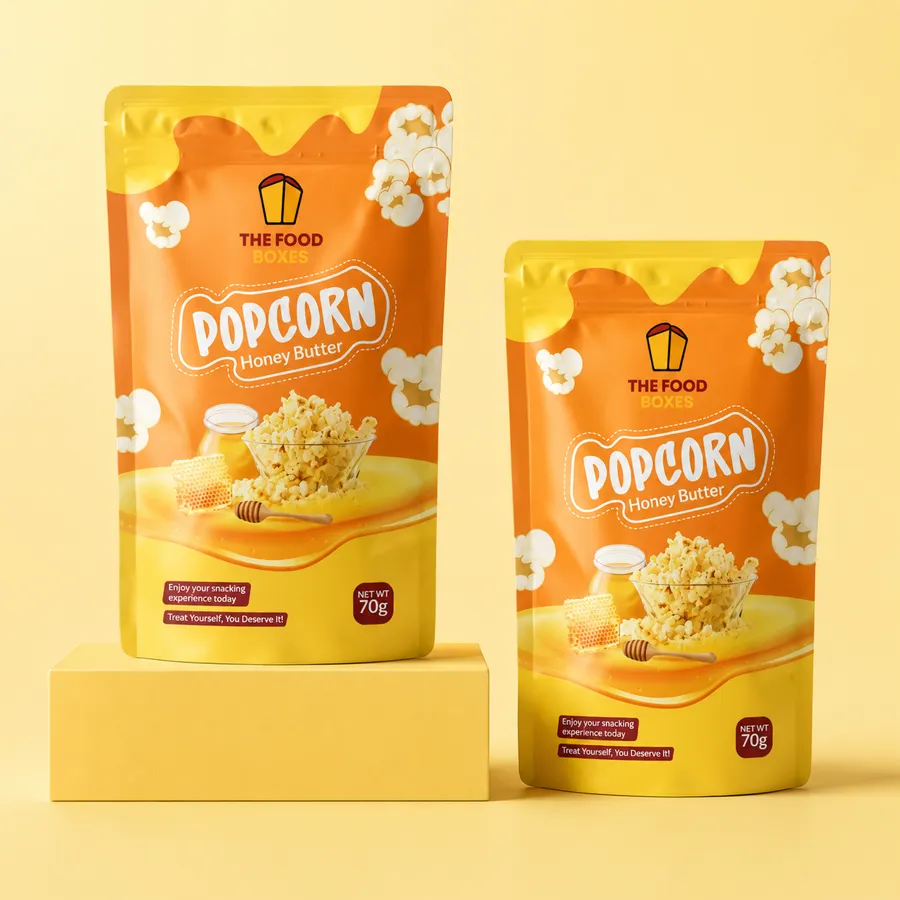
Flexible bags are suitable for snacks, candy, cookies, spices, coffee, tea, cereal, dried fruit, nuts, powders, and frozen foods. They are lightweight, compact to store, and available with different barrier levels.
Custom food bags can include resealable zippers, heat seals, tear notches, hang holes, gussets, and transparent windows. Flat bags work well for individual servings, while stand-up pouches create stronger retail shelf presentation.
The dimensions and closure should match the product quantity and filling process. Space must be allowed for seals, zippers, batch codes, and product information.
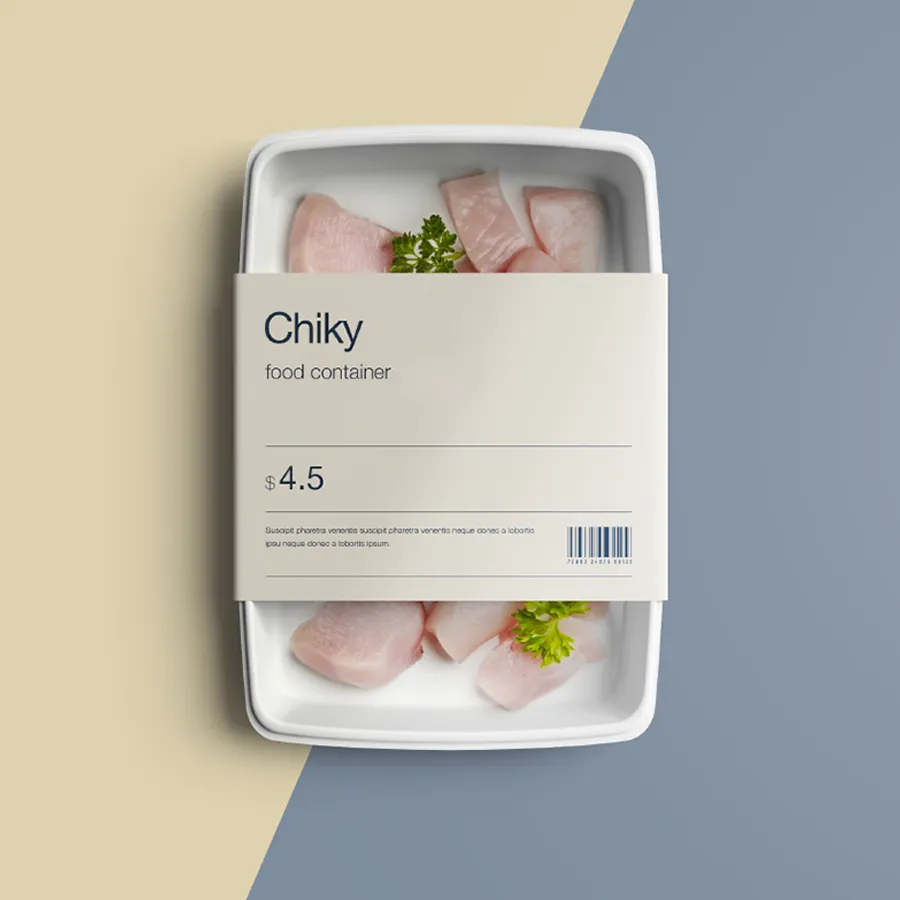
Sleeves wrap around existing containers to provide support, branding, and additional product information. They can secure a tray and lid, improve grip, or distinguish different meals using colors and printed designs.
Custom food sleeves can be created for trays, bowls, tubs, cups, cartons, burgers, and takeaway containers. Precise measurements help prevent the sleeve from sliding off or becoming difficult to assemble.
A sleeve can leave part of a clear container visible, allowing customers to inspect the food while the printed area carries ingredients, allergens, instructions, and branding.
Printed paper can wrap products or line boxes, trays, and baskets. It is useful for burgers, sandwiches, pastries, pizza slices, fries, and other suitable takeaway foods.
Restaurants can coordinate primary containers with food printed papers carrying repeating logos, branded patterns, menu messages, or promotional artwork.
Grease-resistant options help manage oils and sauces. Sheets can be produced in custom dimensions or supplied as rolls for businesses that need varying lengths.
Food packaging can be manufactured for individual servings, standard retail quantities, family portions, catering orders, and wholesale products. Exact dimensions depend on the product’s shape, volume, weight, temperature, and handling requirements.
Available customization options include:
The final dimensions should be tested with the actual product where possible. This helps confirm clearance, stability, closure performance, stacking, and customer convenience.
Printed packaging can display logos, colors, product names, flavors, ingredients, allergen information, nutritional facts, preparation instructions, storage guidance, barcodes, QR codes, and contact details.
A consistent design across boxes, bags, cups, sleeves, and papers helps customers recognize the brand. Separate colors can identify flavors, serving sizes, dietary options, or product categories while maintaining the same overall visual style.
Artwork must account for folds, seams, windows, closures, and the final assembled shape. Important information should remain visible and readable after filling and sealing.
The printing method can be selected according to material, quantity, colors, and artwork detail. Digital printing is useful for detailed designs and shorter orders. Offset, flexographic, and other production methods may suit larger quantities or particular materials.
Matte finishes create an understated appearance, while gloss surfaces make colors more vibrant. Spot UV, foil stamping, embossing, and debossing can highlight selected elements on suitable packaging.
Finishes should remain appropriate for food service. Packaging must still be easy to assemble, hold, stack, open, and use during restaurant or retail operations.
Retail packaging should protect the product while communicating clearly. Customers need to identify the food, flavor, quantity, ingredients, nutritional details, storage conditions, and preparation method.
Transparent windows may improve visibility for bakery products, snacks, pasta, candy, and dry foods. Opaque materials provide more room for artwork and can better protect products that are sensitive to light.
Stand-up pouches, display cartons, and stable boxes help products remain organized. Barcode placement should allow convenient scanning without folds or curves affecting readability.
Takeaway packaging needs to support quick assembly, filling, closing, and customer handover. Flat-packed boxes conserve storage space, while pre-glued or auto-lock structures can reduce preparation time.
Delivery packaging experiences additional movement and stacking. Secure closures, appropriate strength, accurate sizing, and internal dividers help keep food organized during transportation.
Businesses seeking more functional structures can explore innovative food packaging designed around customer convenience, meal organization, and modern takeaway requirements.
Hot foods require packaging that maintains its structure while managing steam and grease. Ventilation may help prevent condensation from affecting crispy products.
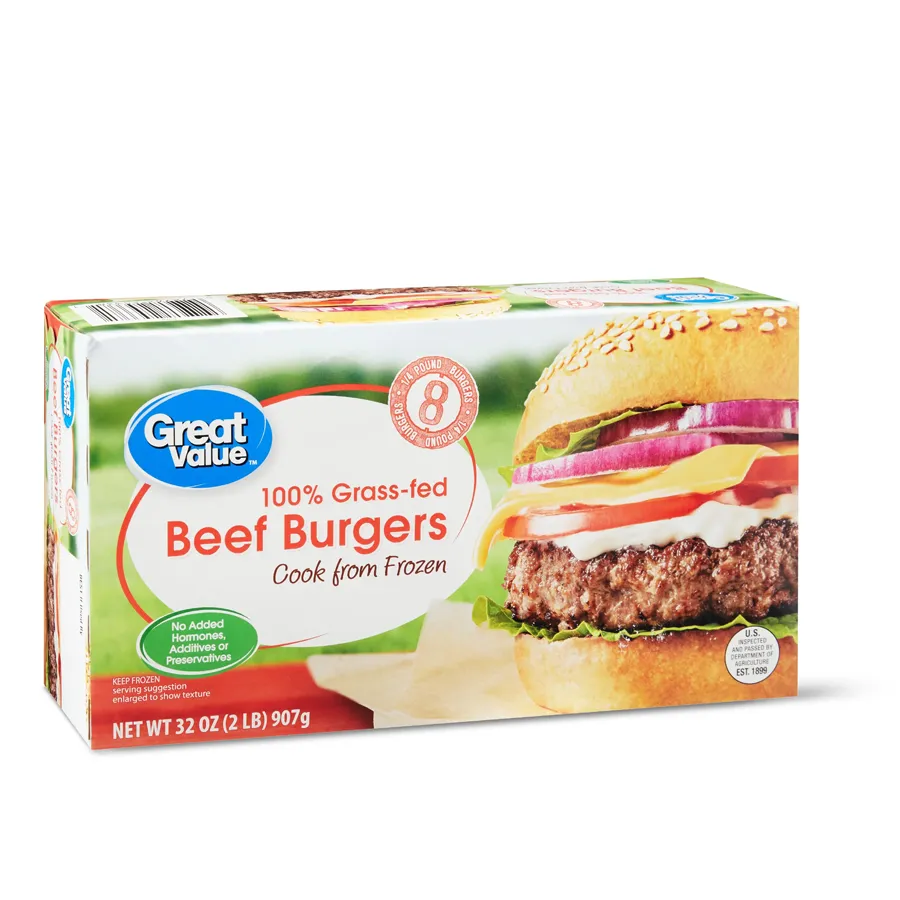
Cold meals and desserts may create external condensation, so moisture-resistant materials can be useful. Frozen products need packaging that performs in low temperatures without becoming weak or losing its shape.
Material selection should account for the entire journey, including filling temperature, storage, retail display, delivery, reheating guidance, and customer use.
Product-specific packaging provides improved fit, protection, handling, and presentation. It reduces unnecessary movement and gives products the clearance or structural support they require.
Appropriate barriers help manage moisture, grease, air, and odors. Secure closures reduce accidental opening, while inserts and compartments organize products during transportation.
Custom printing gives customers a consistent experience and turns every package into a visible brand element. It also provides space for essential product and handling information.
The Food Boxes develops food packaging according to your product type, dimensions, storage conditions, distribution process, and brand identity. You can select the material, structure, barrier level, closure, printing, and finish.
Our customization approach helps avoid packaging that is weak, incorrectly sized, difficult to use, or unsuitable for the enclosed food. Solutions can be created for daily restaurant service, retail shelves, delivery operations, events, and commercial manufacturing.
Share your food type, required dimensions, preferred material, artwork, quantity, and intended use to develop packaging that supports protection and professional presentation.
It can package bakery items, burgers, pizza, snacks, drinks, frozen foods, and ready meals.
Yes, materials can be selected according to the intended food-packaging application.
Yes, the dimensions, capacity, structure, and internal layout can be customized.
Yes, suitable materials and treatments can improve resistance to grease.
Yes, selected boxes and pouches can include clear product windows.
Yes, logos, colors, information, QR codes, and complete artwork can be printed.
Yes, inserts and dividers can organize products and reduce movement.
Yes, materials and structures can be selected for different temperature conditions.
Yes, boxes, bags, sleeves, cups, and papers can share consistent branding.
Options may include matte, gloss, kraft, metallic, foil, embossing, and spot UV.
Don't let your products travel in a plain, boring box. Contact The Food Boxes today for a free quote and let us help you design packaging that supports your brand's journey.
Get Free Quote