How to Choose the Right Food Wrapping Paper for Burgers, Sandwiches, and Baked Goods
8 min read
The cost of the ingredients, the wages of the staff, the rent are carefully followed by the majority of the owners of the food business. Packaging, on the other hand, is considered usually as a once for all decision: choose the supplier, decide what to buy, and forget about it. This is when the money goes lost unnoticed.
There is more to packaging than just how it appears when it arrives. Packaging influences damage rates, shipping costs, reorder frequency, storage requirements, and customer return rate. An inexpensive-sounding box on paper can cost the business much more in the long run.
Below are five errors that seem to recur time and again, along with suggestions of what to do differently.
When you compare suppliers you might be tempted to go for whoever has the cheaper price per box. Seems like the simple option. However, a cheaper box that gets crushed by carriers, leaks, or doesn‘t do its job properly actually costs you more in the long run when you include the replacement cost, refunds and the additional stuffing you have to send to make up for it.
A more reasonable way to consider this would be cost per unit that actually arrives in sellable condition. This would include summing the box price, any pack inserted (blow-ins, padding, etc.), your damage and return rate, and shipping cost using size and weight.
And after you crunch the numbers, that slightly higher priced shipping box that has the right inside shape will usually beat an inferior unprotected shipping box that gets damaged a certain amount of the time. It goes the same for rigid boxes for higher value products.
If this is the first time you‘ve done it, spend a couple of months recording packaging complaints and returns. The trend will become more clear than you‘d imagine.
The MOQs are a lot to adapt to for a lot of companies. A lot of companies will decide to place their initial order without making the connection with the future order.
Order too much, and you have cash locked in boxes in an ever-growing space that can be better used elsewhere. Order too little, and it‘s back to reorder, albeit frequently and at the higher prices and shorter lead times that encourage rush orders.
Before placing an order, it‘s worth asking your supplier directly:
What MOQs are applicable at different prices
If it is possible to run shorter tests on brand-new designs.
How the price varies between, for example, 500 vs 1000 vs 5000 units.
Important particularly if you‘re trying out something new, such as custom sleeves or tuck-end boxes. A low first order gives you an idea how it will sell before needing a larger order. Is more accommodating to orders with low MOQs for new items.
Lead times are not much of an issue until something goes wrong, then you have to decide quickly and you‘re left with less options and a bigger bill. Most items take two to four weeks to produce. Rush is available, but very costly.
It‘s the companies that treat packaging orders like ingredient orders submitted a few days in advance that get caught. That‘s fine for a quiet time, a last-minute design revision, or a supplier delay.
This becomes very apparent with holidays. Gift packages, special occasion orders, anything that is date specific needs to be booked well in advance. A supplier‘s ‘standard’ turnaround in April will not be as reliable in December with everyone‘s timeframes booked up.
An easy solution: plan out your calendar, highlight the peaks, and place orders earlier than you feel comfortable. And talk to your vendors directly about how lead times change during peak season; don‘t assume that a standard quote holds.
Many companies view custom packaging in one of two ways: either a complete overhaul with printing on every surface, or a completely blank box without any design.
Either can be your downfall. A complete branding of your whole range can be a hefty investment and a many products don‘t warrant this level of branding. Conversely purchasing generic packaging means you are missing out on a simple, cheap way of adding a familiar touch to every parcel.
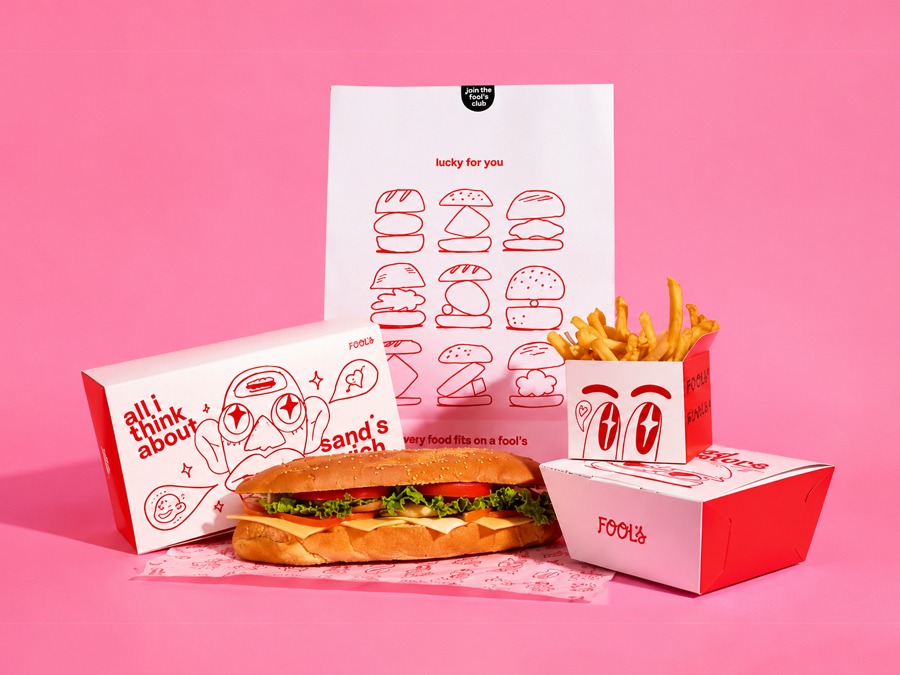
The middle ground can be just as effective. A printed sleeve on a plain box, or the same single-colour printing on a tuck-end, or a branded sticker on a mailer box can make it stand out without the need to completely redesign. This also allows you to change up the design for seasonal promotions without having to re-do the entire thing.
For food packaging, it’s really about matching the level of customisation to the product and the occasion. A premium gift item might justify a fully custom rigid box, while your everyday product might just need a simple sleeve or single-colour print.
A supplier that nails a small sample order won’t necessarily perform the same once you scale up. Print quality that looked sharp on fifty units can get inconsistent across five thousand. Delivery dates that were fine for a small order can slip once a bigger order is competing with everyone else’s.
The cost here isn’t always obvious right away; it shows up as delayed launches, mismatched packaging across batches, and time spent chasing follow-ups that a more reliable supplier wouldn’t require.
Before committing to a bigger order, ask:
A supplier that answers these clearly and doesn’t hesitate to send samples or documentation is generally a safer bet, especially if you’re planning to scale up over the next year.
None of these five points are really about a single product decision. They’re about how packaging costs build up over an entire ordering cycle from the first quote to repeat orders months down the line.
Looking at total cost instead of unit price, planning around MOQs and lead times, matching customisation to the product, and checking supplier reliability before scaling up all of this adds up to a packaging setup that costs less over time, even if a few individual choices look slightly pricier upfront.
The Food Boxes works with food businesses, bakeries, and event companies across formats ranging from simple custom sleeves to fully printed rigid and mailer boxes. If you’re reviewing your current setup or planning ahead, requesting a custom quote is a quick way to see what’s realistic for your budget and timeline.
How much should a food business spend on packaging?
It depends on the product, volume, and customisation level. Instead of fixing a budget number, calculate cost per unit that actually arrives undamaged; that’s a more useful figure.
What’s a normal lead time for custom packaging?
Usually two to four weeks, longer during peak seasons like the holidays. Always confirm with your supplier ahead of time, especially for date-sensitive orders.
Should I order more than the MOQ?
Depends on your storage and cash flow. Ordering above MOQ can lower per-unit costs, but tying up too much cash isn’t great for smaller businesses. A few months’ worth of stock is usually a sensible middle ground.
Do small businesses really need custom packaging?
Not always. Sleeves, stickers, or single-colour printing on standard boxes can add branding for a fraction of the cost of a full redesign. Full customisation makes more sense for premium products or larger volumes.
How do I know if a packaging supplier is reliable before a big order?
Ask for references, request samples, and check food safety certifications. Also ask what happens if something goes wrong with a batch the answer tells you a lot.